Go Back & Fetch It | Session 6
Sarah Warren
KidLit! with Sarah Warren
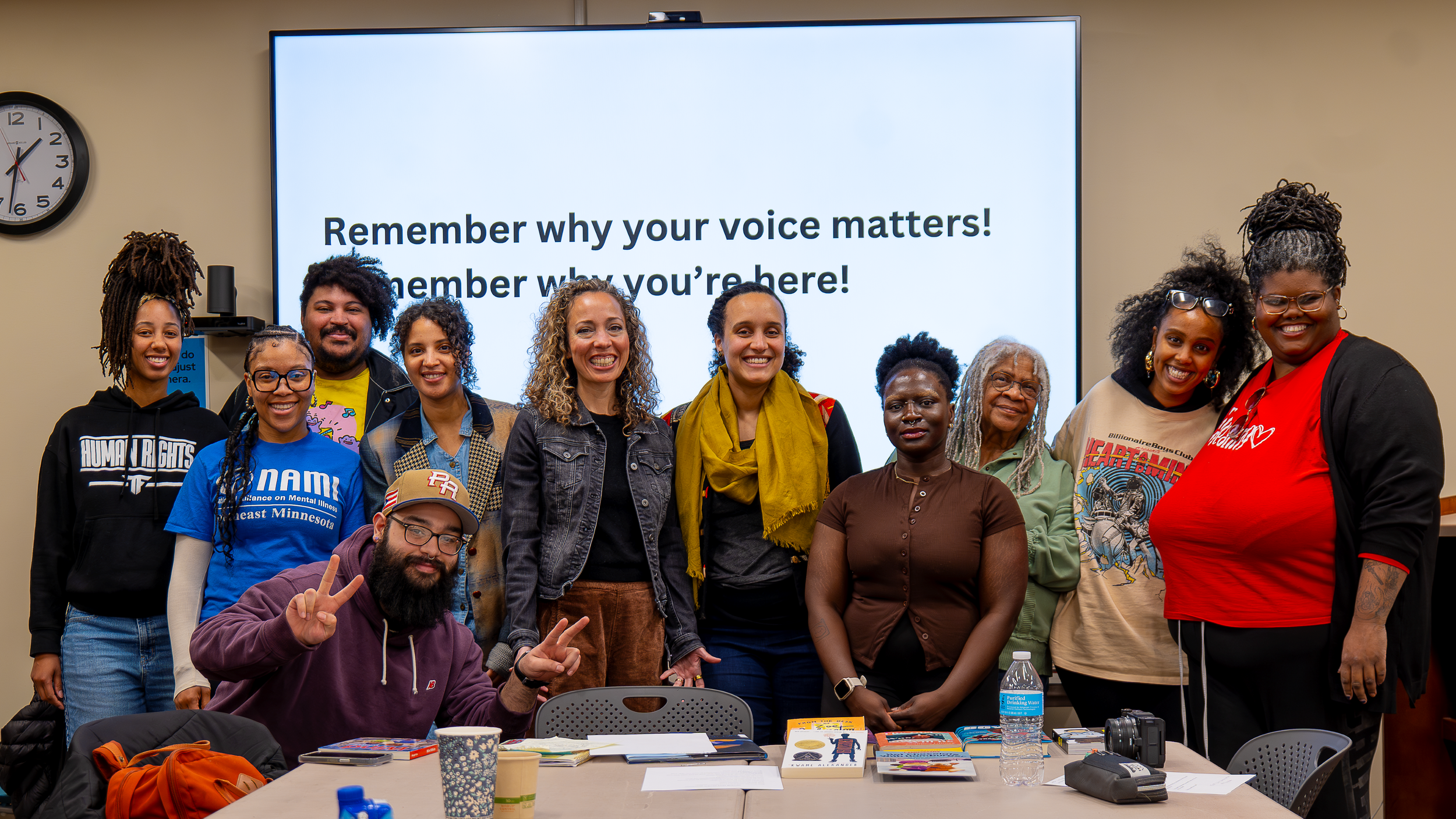
Filling in for a cancelation, Sarah Warren settled into Session 6 of Go Back & Fetch It with joy and warmth as she guided the cohort through a introduction and deep dive into the inner workings of writing KidLit and Children’s Books.
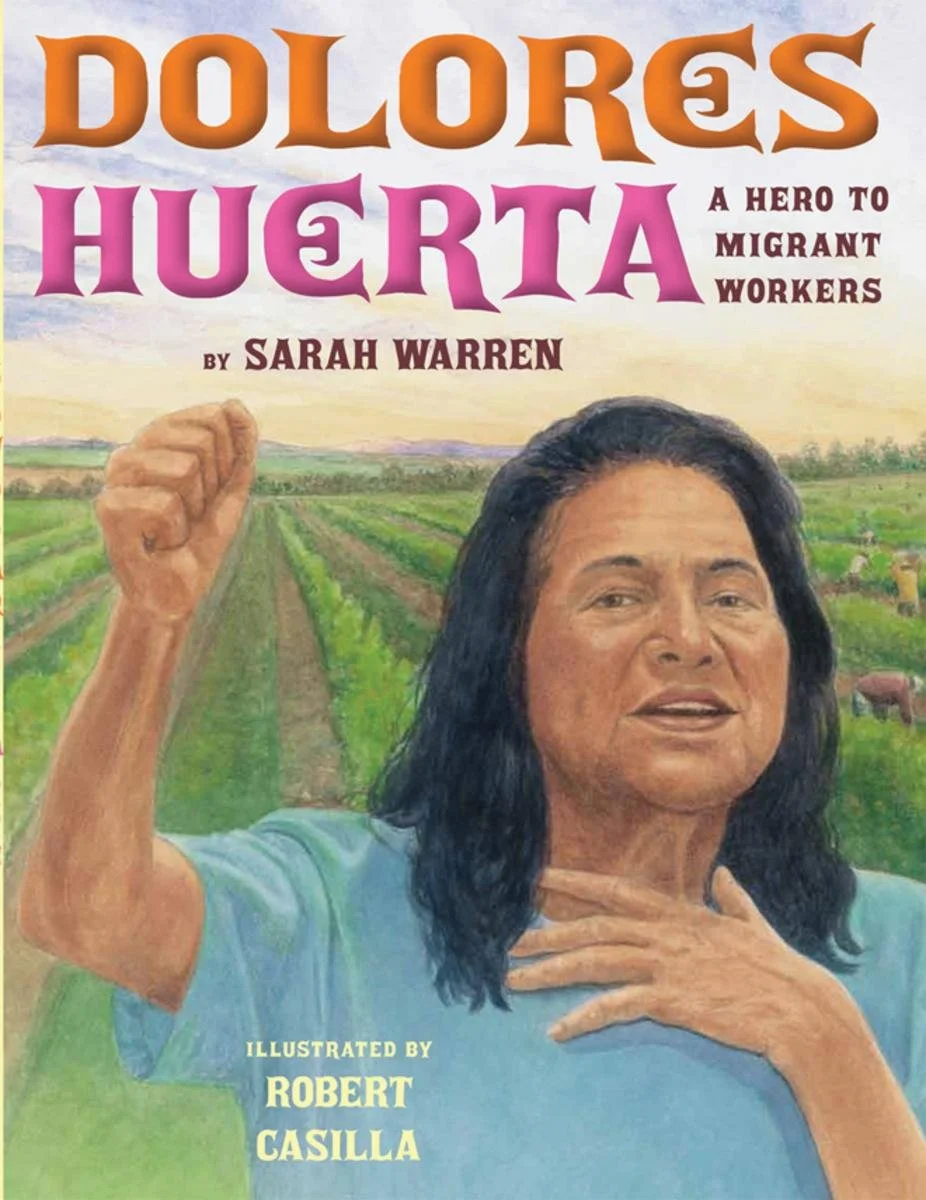
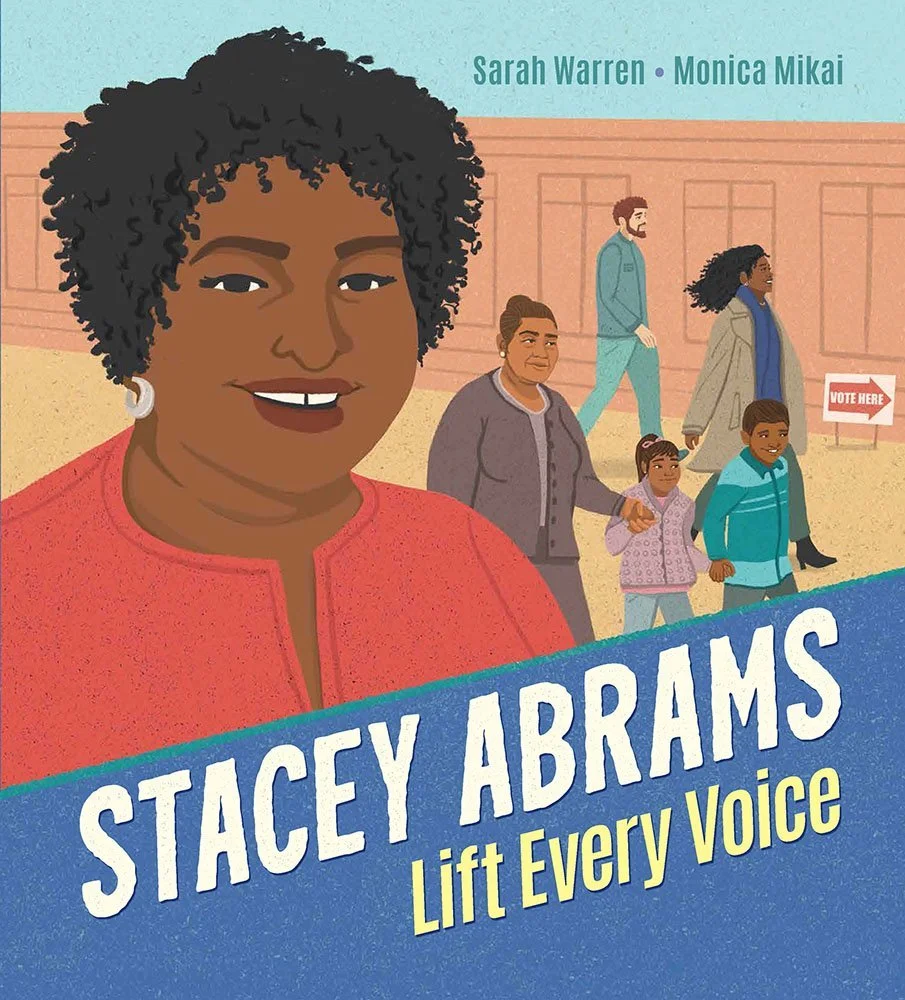
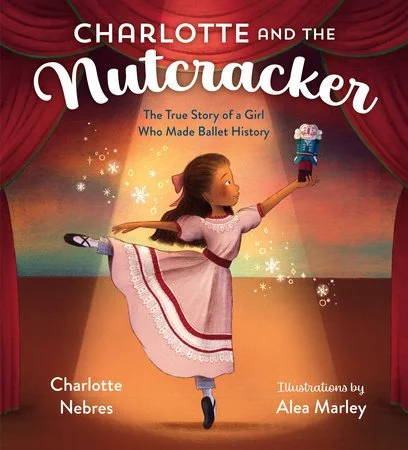
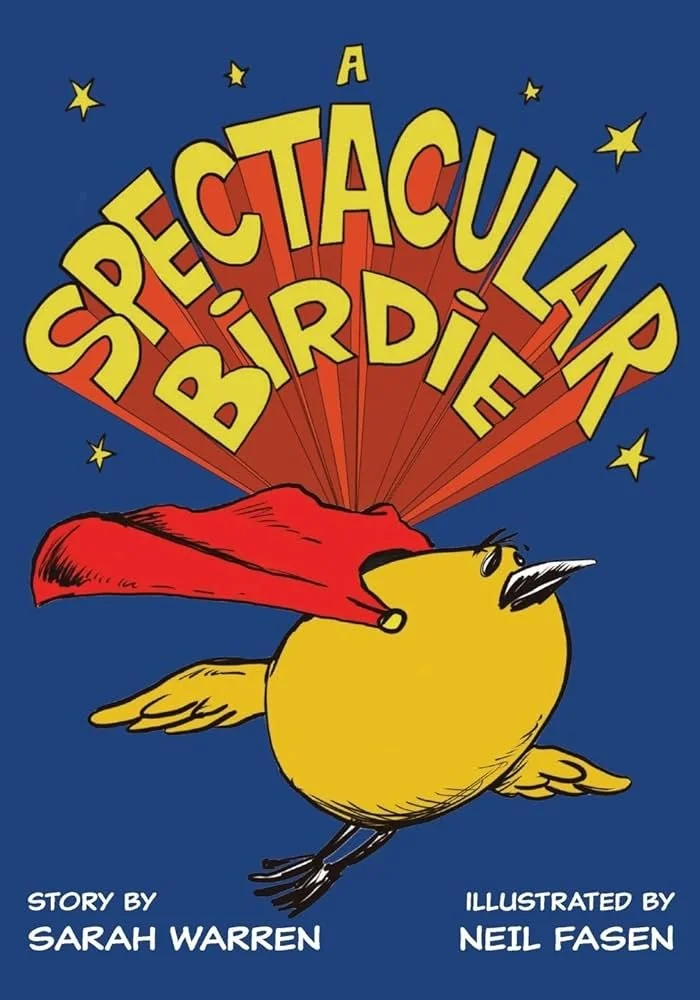
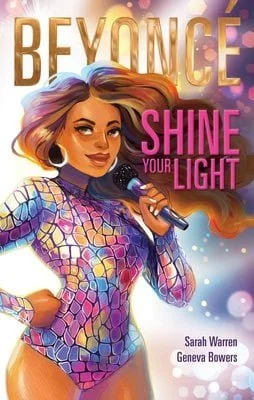
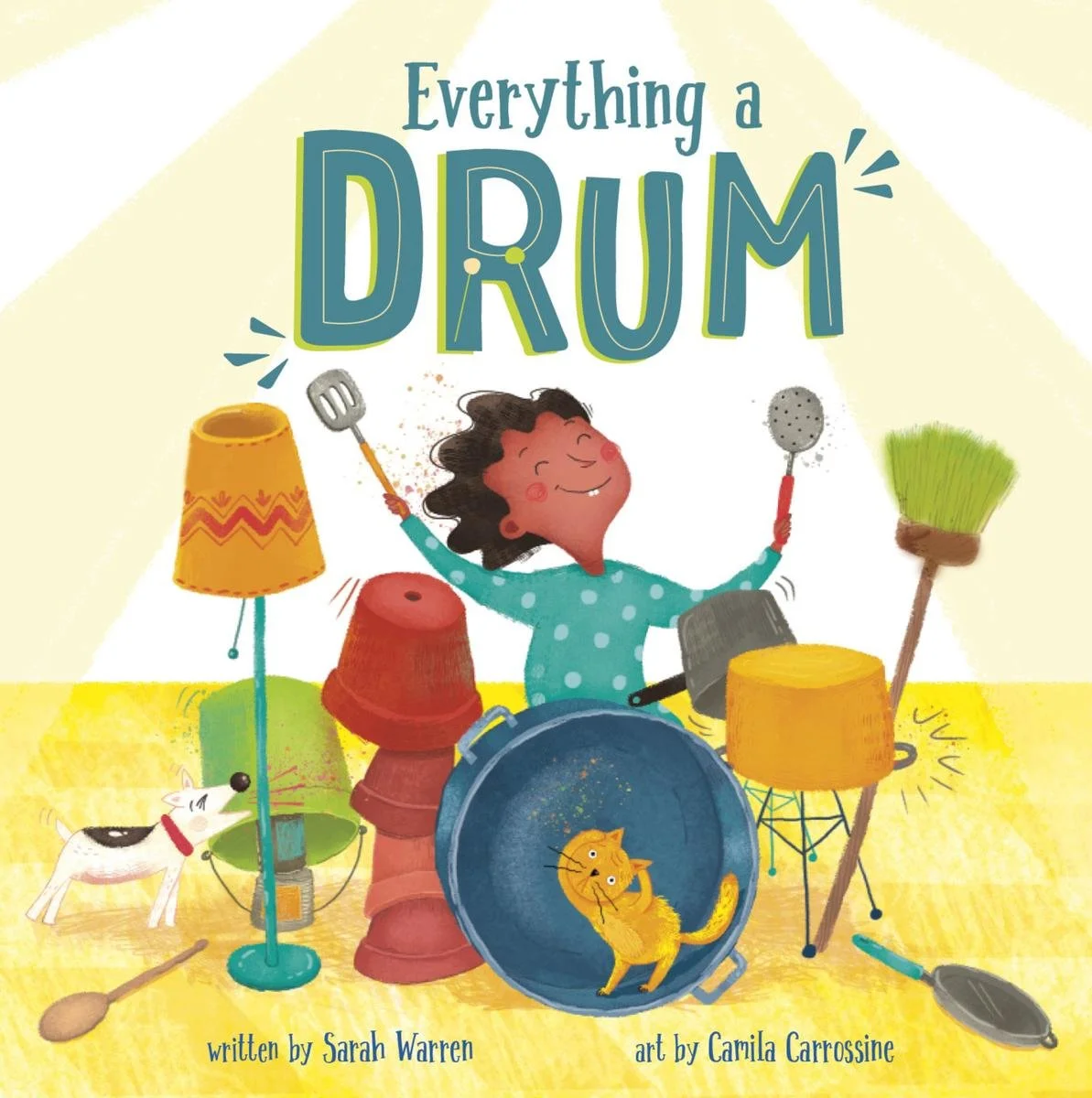
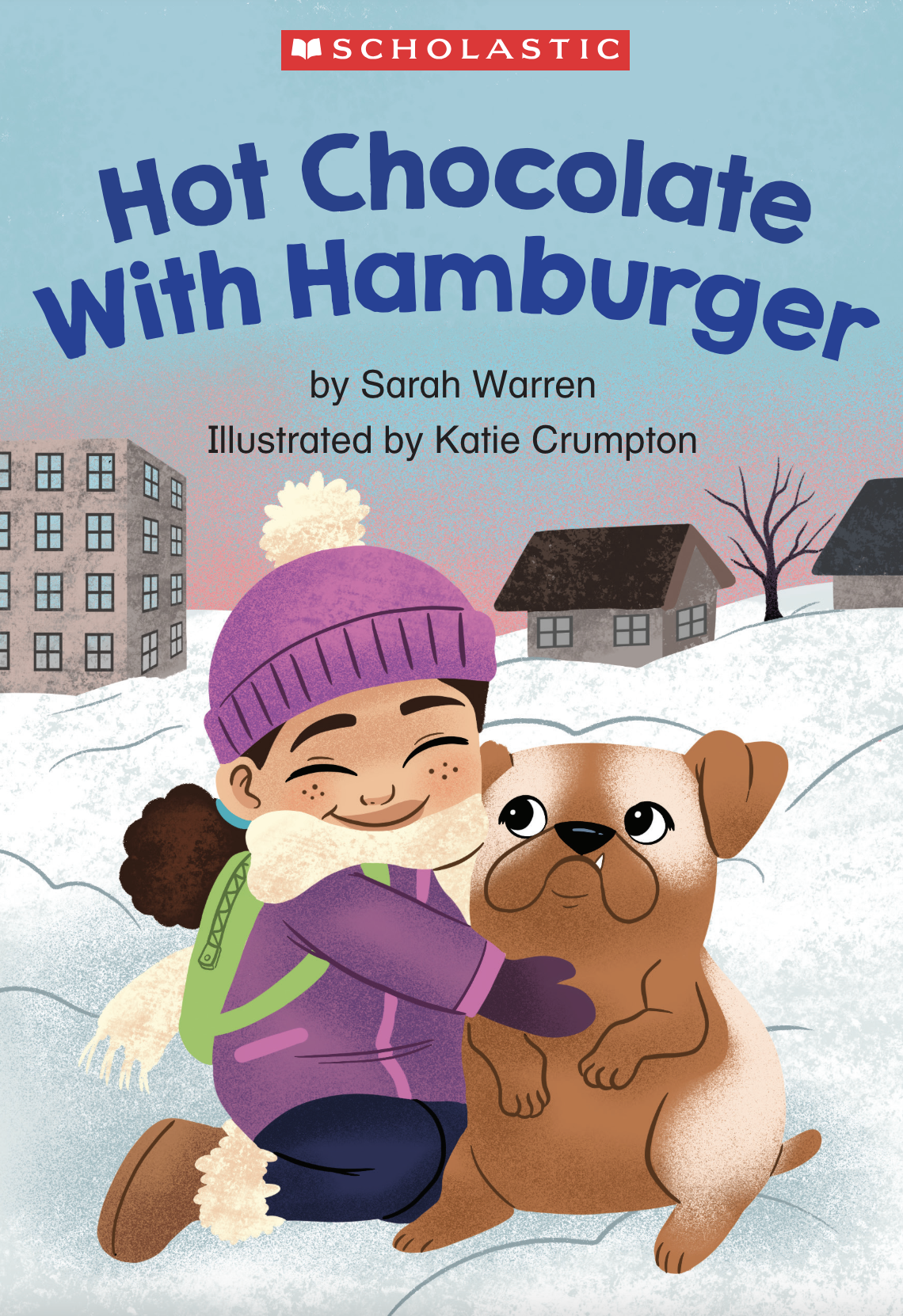
Sarah Warren got her start as an early childhood educator for 17 years. She became a writer when, through her teaching she realized that there were hardly any books with positive characters that looked like herself, her students or the people she loved. So she decided she’d write the books herself. Since then, she’s become an award-winning children’s book author with picture books like Everything a Drum, Beyoncé: Shine Your Light, Charlotte and the Nutcracker (written with Charlotte Nebres), Stacey Abrams: Lift Every Voice, and more! Warren loves to share stories about cool women who use their everyday powers to change the world. She was the lead teaching artist for The Loft Literary Center’sMirrors & Windows program in 2024. She cohosts book exhibits at the Midtown Farmers Market in Minneapolis and the Minneapolis/St Paul airport.
Drawing from data compiled by the Cooperative Children’s Book Center, she presented the disparity between the diversity of authors and the characters represented in published books. While the numbers have improved over time, the gap remains significant. Stories about marginalized communities are still not always told by those within them, and representation itself is often replaced through metaphor, as seen in the prevalence of animal protagonists standing in for human diversity.
To ground this discussion in a bit of hands-on fun, Warren brought in a wide range of picture books and invited participants to pick a book and read it.
As participants read their chosen book, they were given a series of guiding questions:
What does the main character want?
What draws the reader in?
How does the story create emotional impact?
Does the language bring the world to life?
The books themselves reflected a broad spectrum of experiences. One participant read Ten Ways to Hear Snow by Cathy Camper, illustrated by Kenard Pak, a story about an Arab-American girl exploring the sensory world around her while visiting her low-vision grandmother. Another encountered Song in the City by Daniel Bernstrom, illustrated by Jenin Mohammed, a narrative that beautifully and artistically explored blindness from the perspective of a child.
There was also a quiet, personal moment of connection when one participant chose Warren’s own book, Everything a Drum. The story resonated with them, even echoing memories from their own childhood. It was a small but meaningful reminder of what representation can do.
Next, participants were asked to respond to a series of rapid-fire questions about their childhood:
Who were your friends?
What were you afraid of?
What did you love?
What did you hide?
Though presented quickly, the exercise allowed space for reflection. From there, each participant selected one response and began writing.
When it came time to share, one participant felt hesitant about the darker theme of their piece about a time they confronted their bully. Rather than discourage the story, Warren affirmed that children’s literature has and, in fact, needs space for complexity - for fear and loss and difficult truths. Stories reflect the realities of the world, and some of the best stories show us how to face those realities, or let us know that we’re not alone.
The session continued with a set of concise exercises:
A six-word autobiography
A reflection on why we write
And a personal favorite of Warren’s: “I’m good at writing because…”
These exercises encouraged participants to recognize their own voice.
Warren’s guidance, although masquerading as a simple introduction to KidLit, was a masterful journey that made the idea of writing children’s literature not just meaningful, but accessible. Her presentation inspired the group and for some, it was the first time working in the children’s genre felt possible.

Sarah Warren
Publications
Check out the works by and featuring Sarah Warren!