Go Back & Fetch It | Session 5
Carolyn Holbrook
Getting CREATIVE with NONFICTION WITH CAROLYN HOLBROOK
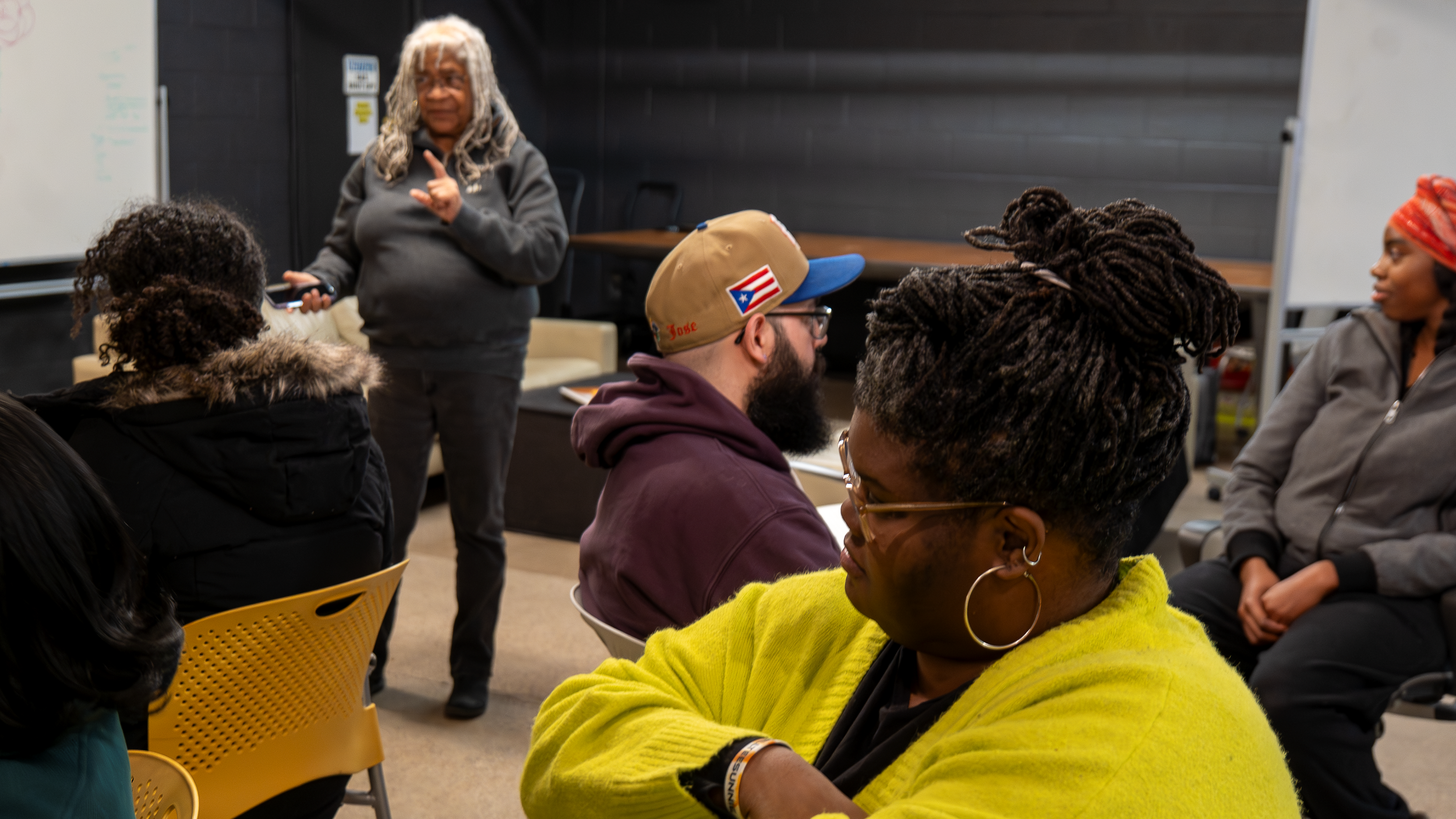
When one of the planned mentors couldn’t make it, Carolyn Holbrook herself stepped in to guide the Go Back & Fetch It cohort through an exploration of creative nonfiction.
Carolyn Holbrook is a celebrated author, educator and advocate for the healing power of art and storytelling. She is the award-winning author of her memoir,
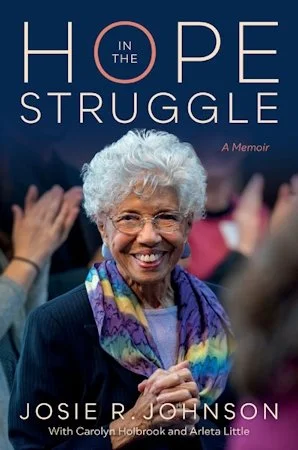
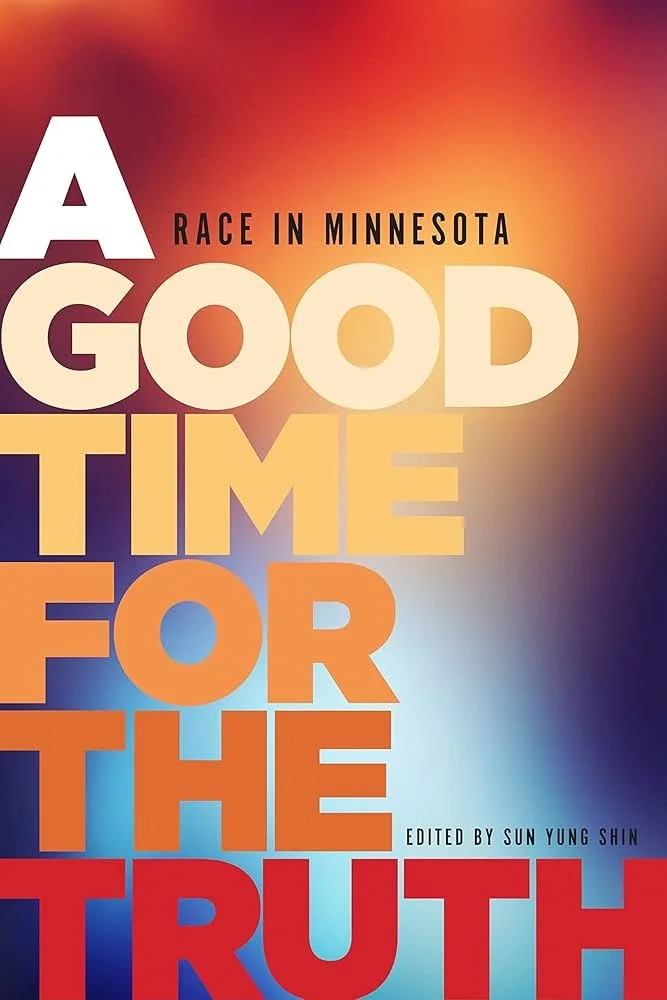
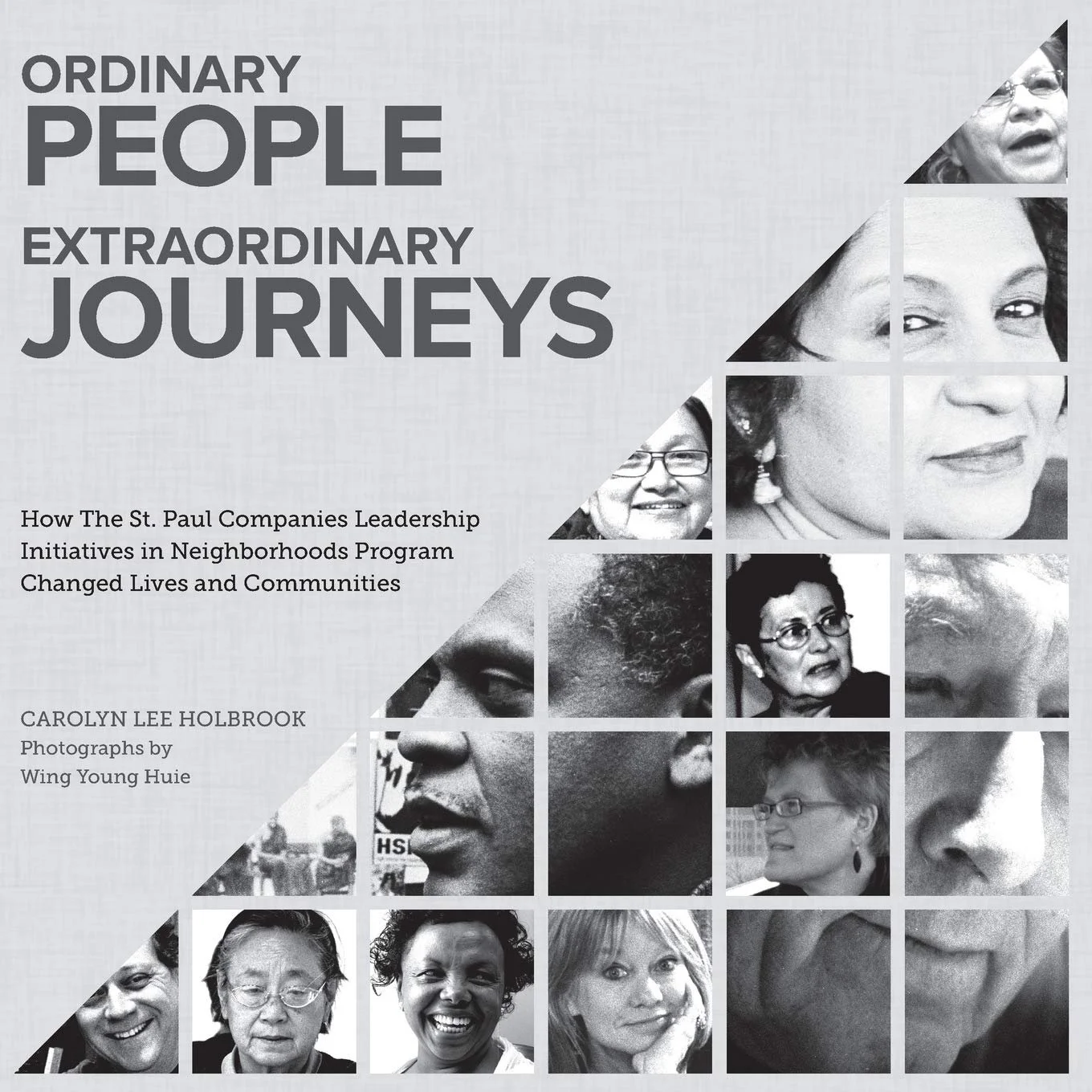
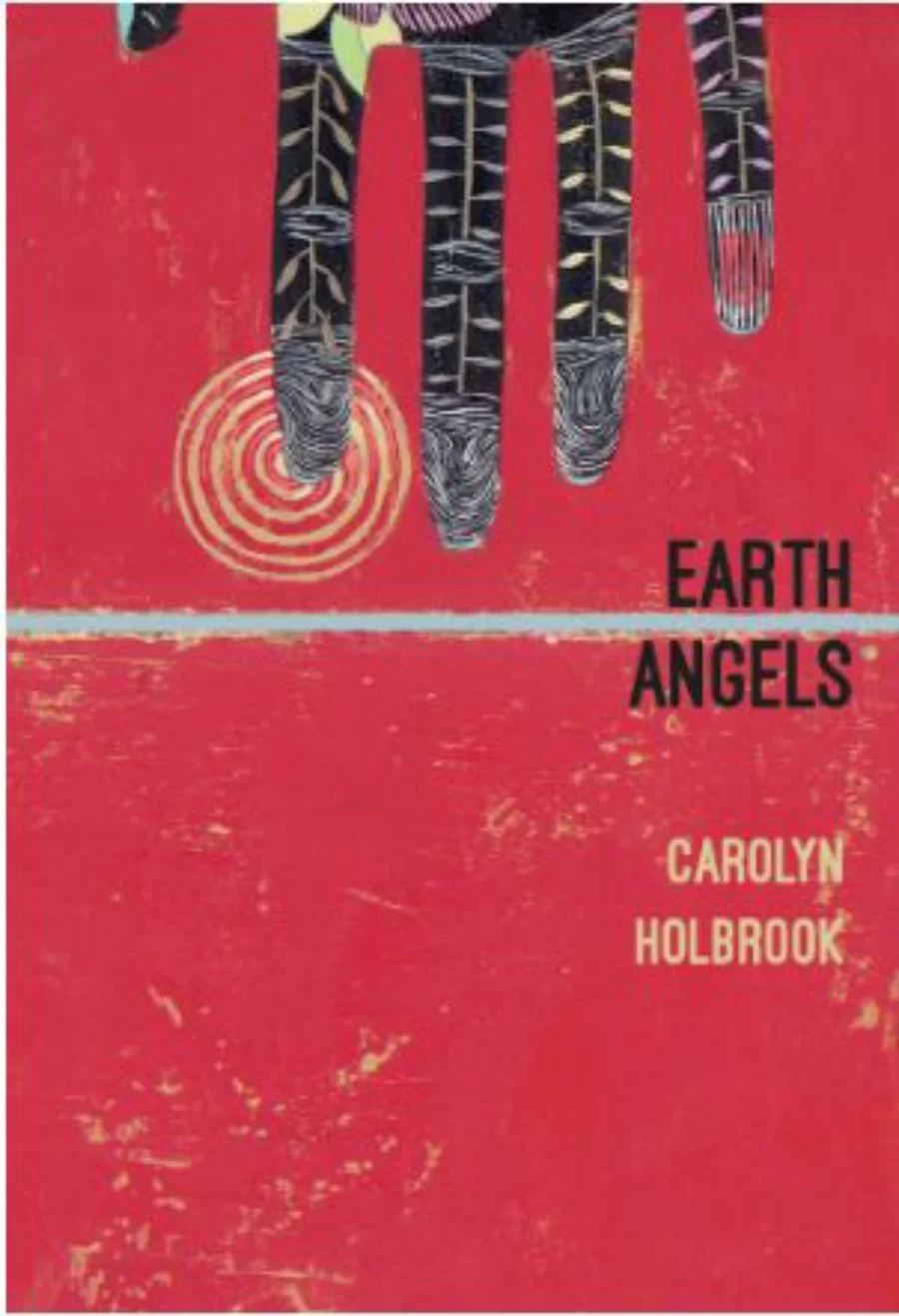
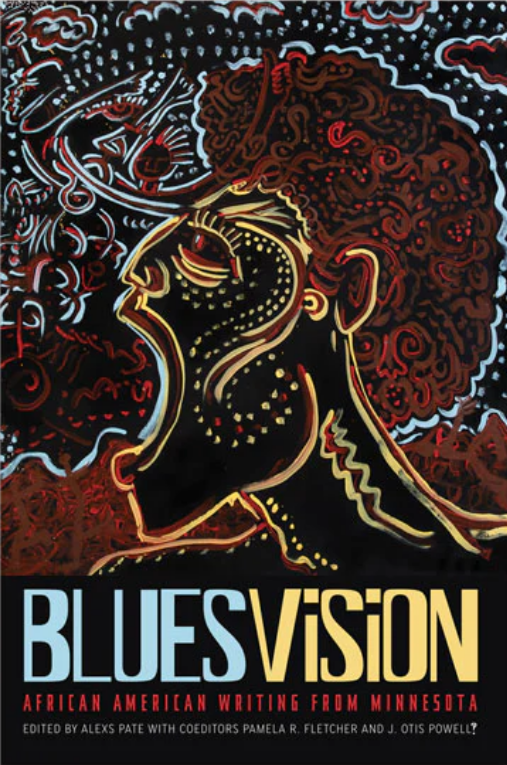
Tell Me Your Names and I Will Testify. She is co-editor with David Mura of the anthology, We Are Meant to Rise: Voices for Justice from Minneapolis to the World, author of Earth Angels, and is co-author with Arleta Little of MN civil rights icon, Dr. Josie R. Johnson’s memoir, Hope In the Struggle, and much more. Her essays have appeared in numerous anthologies including Blues Vision: African American Writing from Minnesota and A Good Time for the Truth: Race in Minnesota. Her TEDx talk “The Life you Live is the Legacy You will Leave” was presented at Concordia College, Moorhead, MN in 2022. She is the founder and director of More Than a Single Story, and is the head of the Go Back & Fetch Itprogram. She holds a Ph.D. in Creative Writing and Creative Arts Leadership. In 2025 she was named a Distinguished Artist by the McKnight Foundation.
Holbrook carries a quiet authority. Her approach is warm and grounded, structured without being rigid. She does not dominate the space, but she holds it with intention, creating an environment where the work can take shape on its own terms.
The session centered on creative nonfiction as a form rooted in lived experience. Participants were asked to bring a meaningful object tied to memory and to use it as the foundation for a piece of writing. The object itself became the prompt as the writers told their stories.
Cohort members spent time developing their pieces, focusing on the full range of the milieu: the setting, the people, the senses, and emotional context. The exercise emphasized specificity: where the story took place, who was present, what could be seen, heard, or felt.
From there, the session shifted into a more dynamic exercise.
Participants formed two circles, an inner and outer ring facing one another. Each person was paired with a partner and asked to share their story aloud. After each round, one circle rotated, creating a new pairing. With each retelling, a constraint was introduced: tell the story focusing only on the people, or only on the setting, or only on the sensory detail.
As the exercise progressed, the act of storytelling became more difficult. With each rotation, the scope narrowed. Details that had once felt essential were no longer available, and each retelling required a different angle that could not repeat what had already been said. At the same time, listeners were asked to remain silent, though in practice many responded, asked questions, or reacted naturally, adding another layer of complexity to the exchange.
The result was an evolving understanding of the same story that shifted depending on what was emphasized, and what was left out.
Through this process, creative nonfiction revealed itself not simply as a recounting of events, but as an act of shaping perspective. The same experience could be reframed, reinterpreted, and even re-centered depending on how it was told.
In one instance, a story that initially felt anchored in a personal relationship gradually shifted as different elements were isolated and retold. A previously minor figure emerged as central demonstrating how narrative focus can help to reveal what the story is truly about.
Holbrook’s session emphasized discovery through constraint. Rather than positioning nonfiction as fixed or purely factual, the workshop highlighted its flexibility: the way perspective, and interpretation create or change meaning.
Carolyn Holbrook
Publications
Check out the works by and featuring Carolyn Holbrook!