Go Back & Fetch It | Session 3
Ash Wynter and Shannon Gibney
Poems and Publishing
With Ash Wynter and Shannon Gibney
THE POEM AS A CONTAINER: FORM, VOICE, AND THE WORK OF HOLDING
Session 3 of Go Back & Fetch It unfolded in a more introspective register
Ashley E. Wynter is a writer, editor and community organizer whose award-winning poetry that has appeared in Torch Literary Arts, The Florida Review, West Trade Review, Water~Stone Review, New Millennium and more. She is a 2025-28 Jerome Hill Artist Fellow, and has helped to organize black writers’ programs at More Than a Single Story. She was a member of the 2024-25 Go Back & Fetch It Cohort, and is now a Mentor and Carolyn Holbrook’s assistant for the 2025-26 Cohort. She is currently the Editor at Copper Canyon Press.
Wynter opened the session with an attempt to do the impossible: Define Poetry, acknowledging that, of course, that any attempt to fully define it would fall short. Because in the end What is Poetry? Nuthin’ to Explain.
The core theme of Wynter’s session centered around the idea of the poem as a container.
She guided the Go Back & Fetch It Fellows through explorations of this concept both metaphorically and physically. The group examined poems not just for their themes, but for the structures that shaped them; the way their formats contained them.
Repetition : : spacing : : .punctuation.
framing devices : :
and visual
form
on the
…page
Participants read through several examples, each with very different structures, observing how meaning and context were influenced by the shape and presentation of the language.
Repetition created rhythm, Repetition formed the framing
Repetition held “still in a state of uncreation”, in one piece.
Punctuation carved distinct : : pauses :: building connections
between thoughts : : to explore my life as china : : in one piece.
Dear ____, established an intimate frame, shaping a voice and an audience, although whoever these
Letters to my would-be Lover on Dolls and Repeating were written to remained vague and anonymous, in one piece.
Even the titles were explored and examined as parts of the container, guiding the context and interpretations
before even a single line was read, in each piece.
Wynter invited fellows to step into these forms, themselves. Through a series of writing exercises, participants experimented with similar structures, mimicking and adapting the “containers” they had analyzed to form their own poetry. Writers were encouraged to engage thoughtfully with form while discovering how it could support their own individual voices; an exploration of how structure is not a limitation, but a tool to shape and deepen expression.
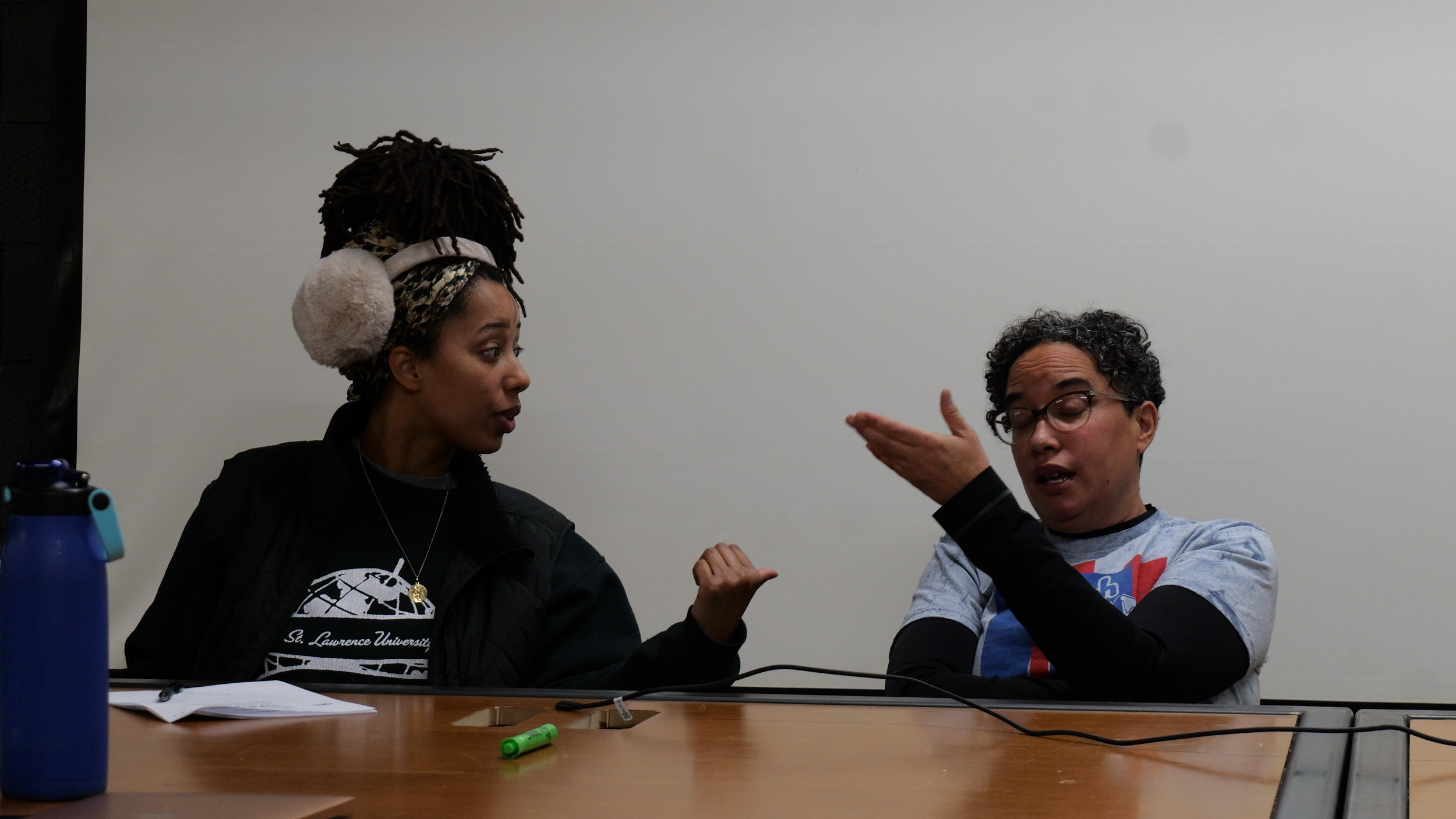
As Wynter’s lesson finished, the energy shifted with the arrival of guest speaker Shannon Gibney.
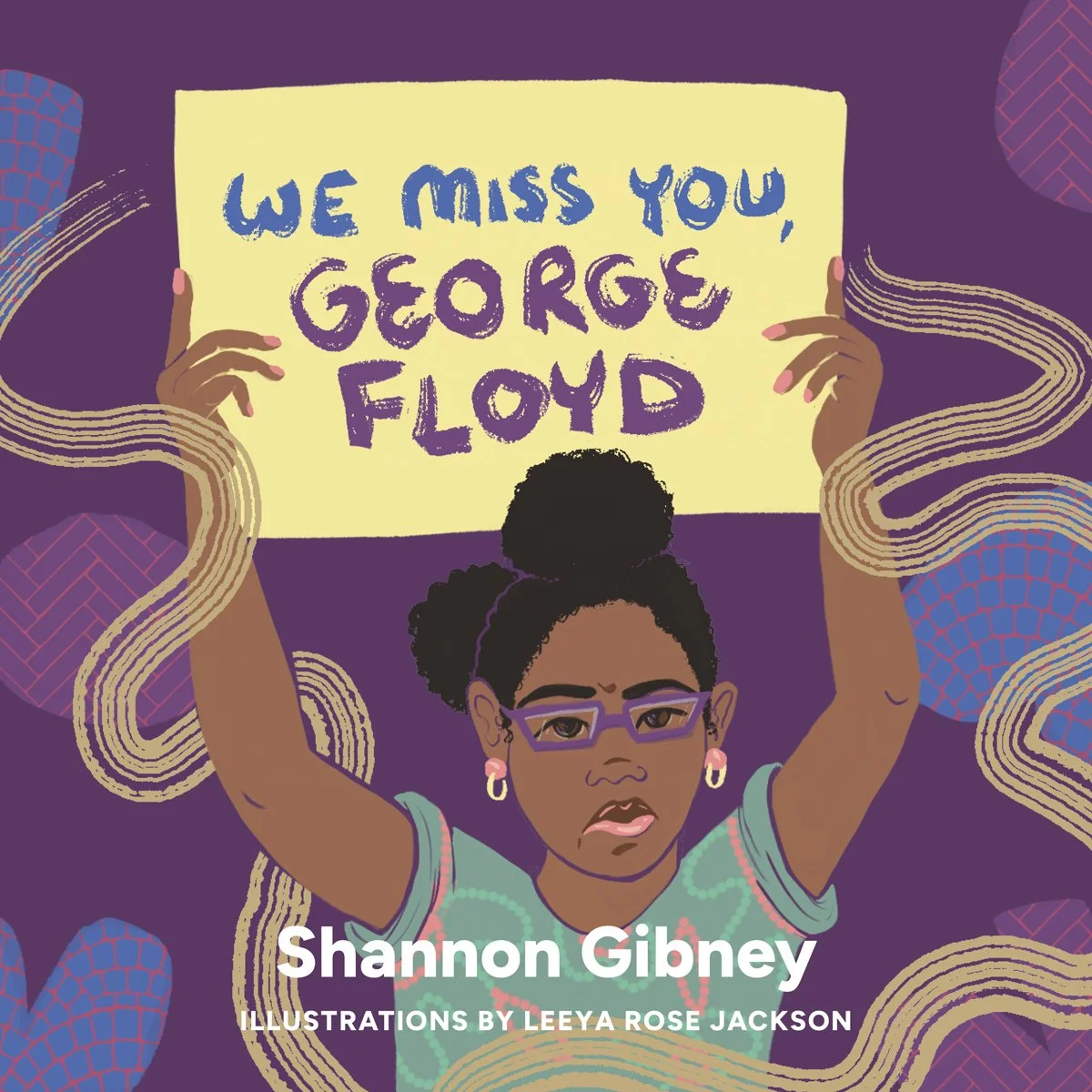
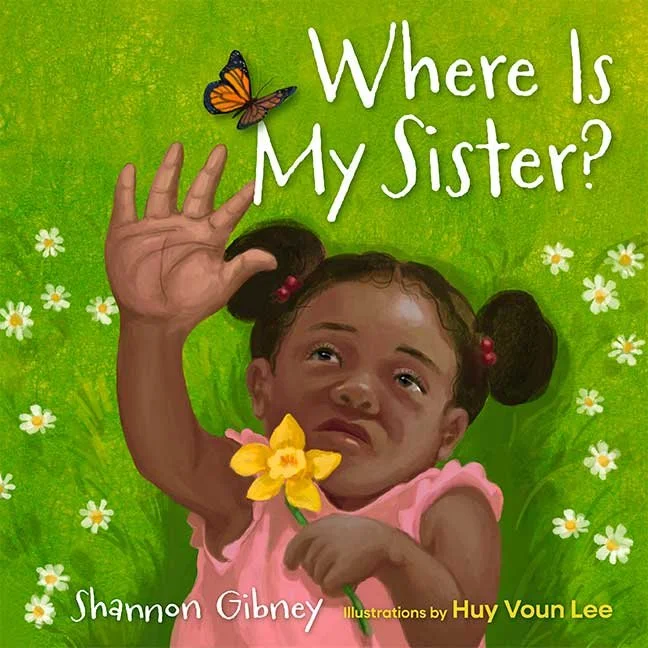
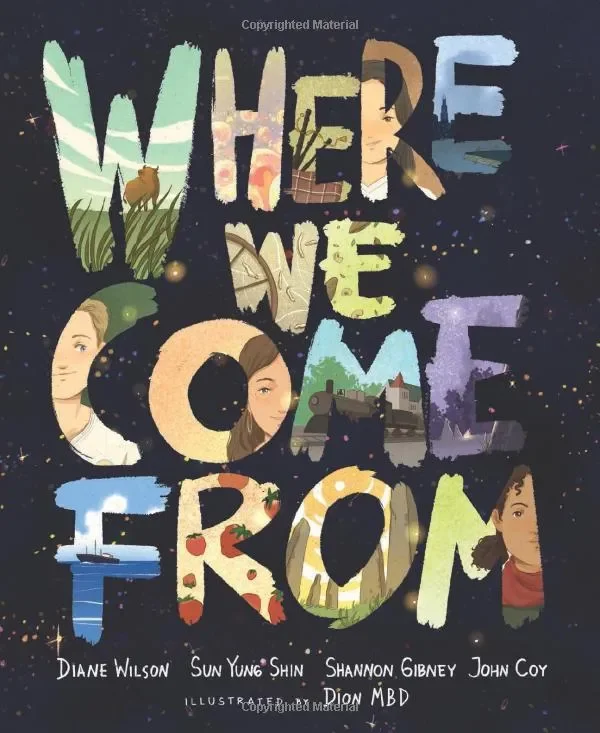
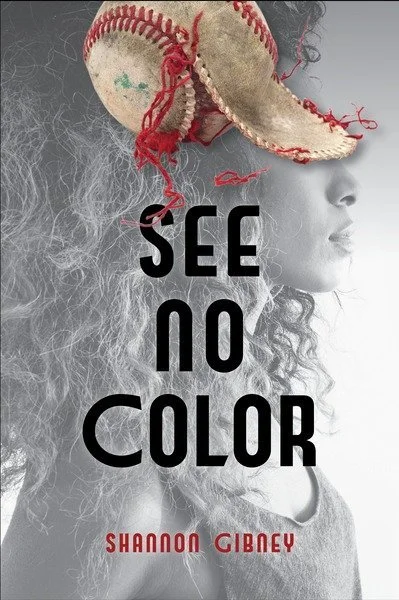
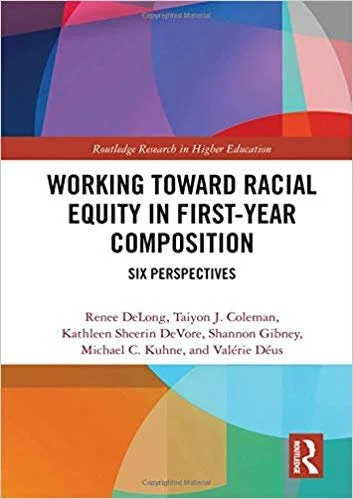
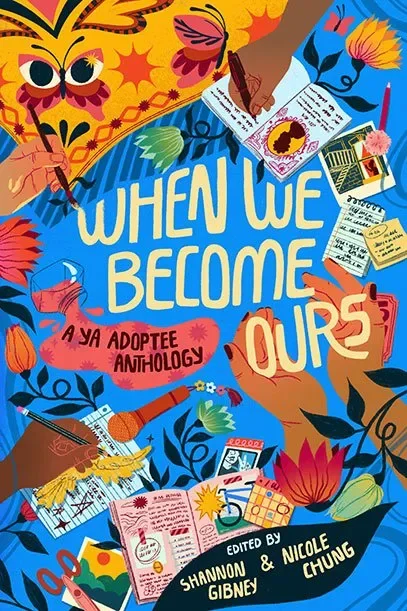
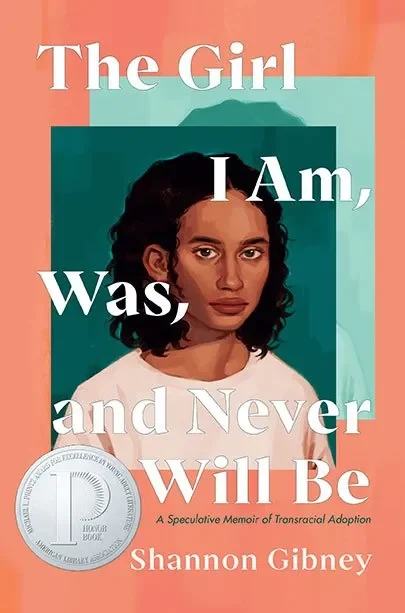
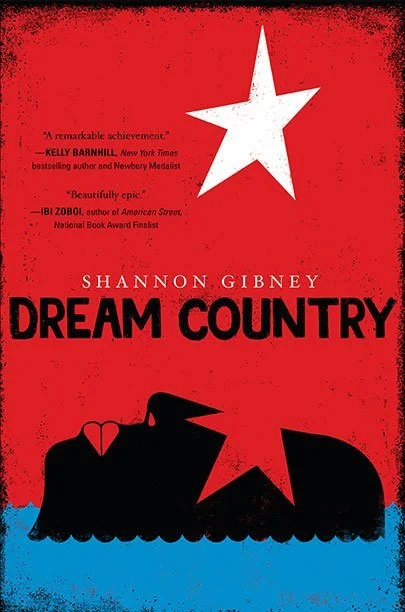
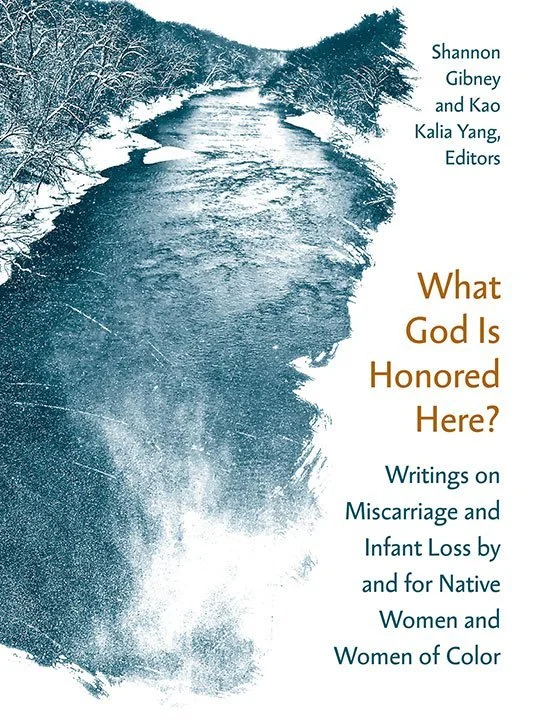
Shannon Gibney is an award-winning author, from novels and essays to picture books. She writes for all ages and all kinds and tells the stories that have gone untold. She is the author of The Girl I Am, Was, and Never Will Be, her speculative memoir set between the the worlds of her reality as a trans-racial adoptee, and the possibility of a parallel reality where she’d be raised by her birth family. She is the author of Dream Country, and her work can be found in anthologies such as We Are Meant to Rise, Where We Come From, When We Become Ours, and much more.
Settling into getting to know the group, Gibney’s tone was conversational. She spoke to the realities of the literary world with a Q&A style discussion that invited fellows to ask big, broad and pressing questions about writing, publishing and navigating creative work in a changing landscape.
Gibney spoke candidly about the evolving nature of readership, the influence of political climates on publishing, and the inner workings of mainstream literary systems. Topics ranged from the role of agents and editors to the challenges and limitations of self-publishing. Even when questions were open-ended, her responses grounded them in practical insight, offering a clearer view of the industry beyond the page.
Together, the two halves of the session formed a structured balance. Wynter asked fellows to consider how their work is shaped internally, through form, and Gibney explained how that work can exist externally within the systems of distribution and power.
Ash Wynter
Performances and Works
Check out some of the performances and works by and featuring Ash Wynter
Literary Bridges Reading Series
Reading at Next Chapter Booksellers
West Trade Review | A.E. Wynter Reads
“Poem With an Absent Father”
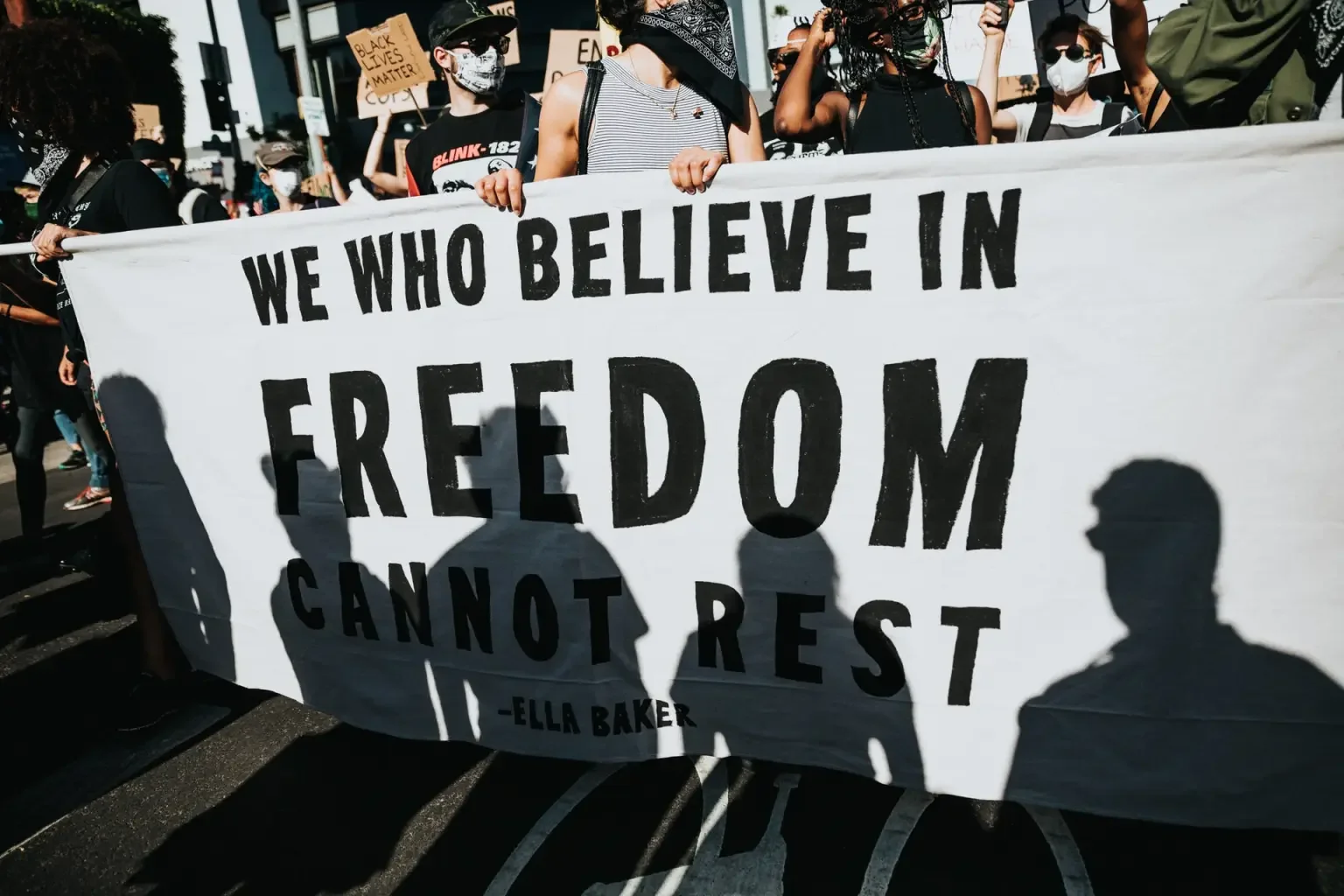
To the protesters on Vandalia
First Place | 53rd New Millennium Award for Poetry